Endometriosis can't be cured and can be difficult to treat. You may find it useful to attend a support group to help you cope with the challenges of living with endometriosis.
There are treatments to reduce your symptoms so you can continue with your normal activities. The longer endometriosis is left untreated, the greater your risk of fertility problems, so the sooner you get treatment, the better.
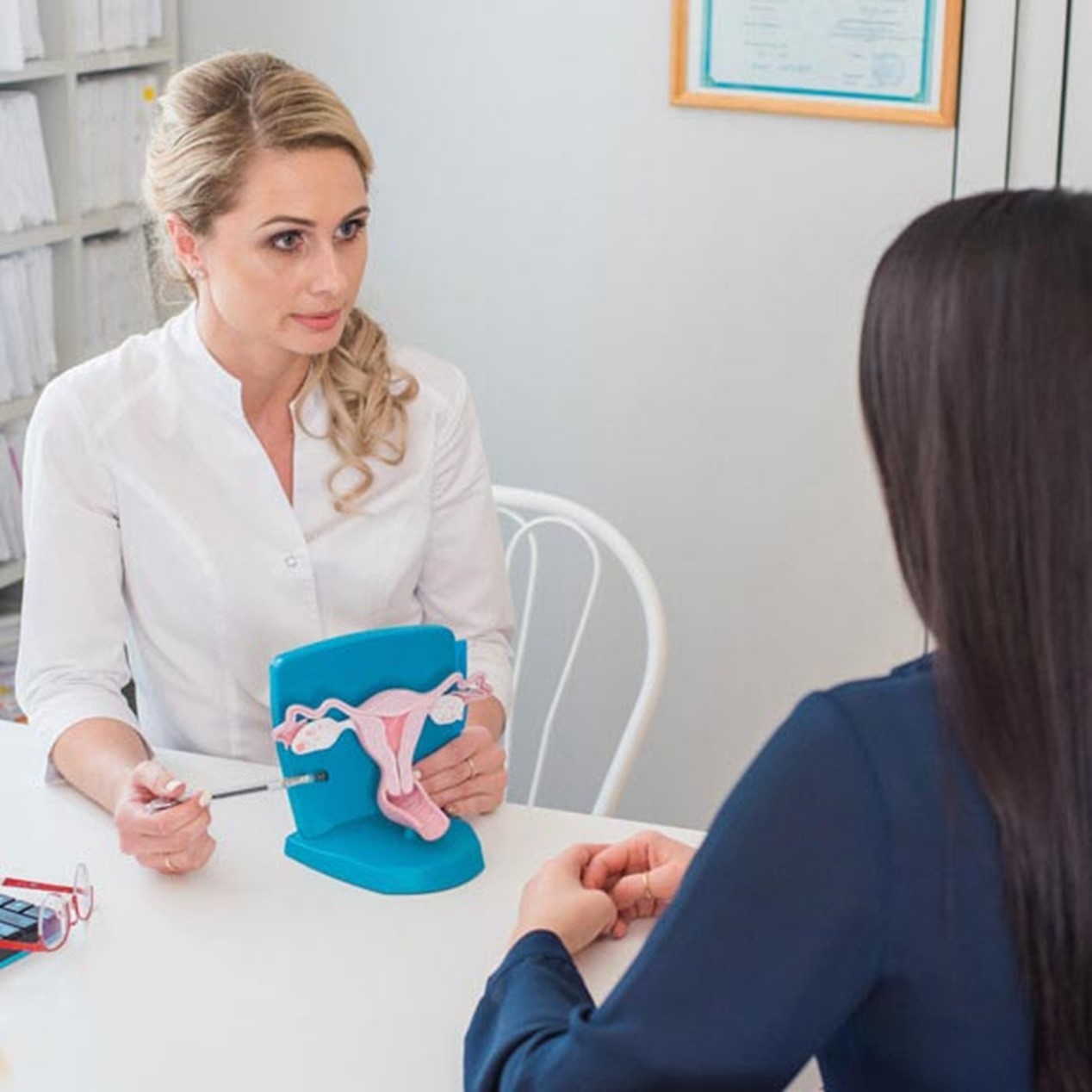
Your gynaecologist will discuss your treatment options, as well as the risks and benefits. The effectiveness of treatments in reducing symptoms varies between women and different treatments have different side effects.
When deciding on the most appropriate treatment, your gynaecologist will consider:
- How you feel about surgery
- If you want to become pregnant — some treatments prevent you from getting pregnant
- Whether you have tried any other treatments
- Your age
- Your main symptoms eg pain or difficulty getting pregnant
You may not need treatment if your symptoms are mild, you have no fertility problems or if you are reaching menopause. Your symptoms may improve without any treatment.
Your treatment will therefore depend on the severity of your endometriosis. Most endometriosis is mild or moderate and can be helped with pain medication and/or hormone therapies.
Pain medication
Over-the-counter painkillers (eg paracetamol) and anti-inflammatory drugs (eg ibuprofen) can help manage your pain and most often do not cause side effects. If after taking pain medication for a few months, you are still in pain, see your GP.
If you can't tolerate anti-inflammatory drugs, you can try codeine or codeine combined with paracetamol for stronger pain relief. A common side effect of taking codeine is constipation.
Hormone therapies
Hormone therapies limit or stop oestrogen production — this female sex hormone is what causes the endometrium to grow and shed each month. Hormone therapies can reduce the build-up of endometrium tissue but do not affect adhesions or improve fertility. It may take several months of hormone treatment before your symptoms improve.
The two main hormone therapies for endometriosis are the combined oral contraceptive pill and progestogens. They are equally effective but have different side effects. Both reduce your chances of getting pregnant but do not permanently affect your fertility. They are not all contraceptives.
The combined oral contraceptive pill
Also known as the pill, it contains two hormones: oestrogen and progestogen. It can relieve mild endometriosis symptoms and be used in the long term. It works by stopping eggs being released (ovulation), which makes your periods lighter and less painful.
Your doctor may recommend taking three packs of the pill one after the other without a break to reduce your bleeding and improve your symptoms. The pill has side effects but by trying different brands, you may find one that suits you better.
Progestogens
Progestogens are synthetic hormones that mimic the natural hormone progesterone. They slow the growth of endometrium tissue. Side effects include:
- Bloating
- Irregular bleeding
- Mood changes
- Weight gain
Progestogens for treating endometriosis include:
- A contraceptive implant
- A contraceptive injection
- An intrauterine device (IUD) — this is placed in your womb and releases progestogen
- Progestogen tablets eg norethisterone — these are not contraceptives
- The progestogen-only pill (POP)
Your doctor may recommend starting these treatments before your diagnosis is confirmed. If you need contraception too, they may suggest using the levonorgestrel-releasing intrauterine system (LNG-IUS).
If pain medication and hormone therapy are not effective, you may need a standard surgical procedure to remove or destroy patches of endometrium.
Before surgery, your doctor may recommend a three-month course of gonadotrophin-releasing hormone (GnRH) analogues. These are synthetic hormones that reduce oestrogen production and cause temporary menopause. They reduce the amount of endometrium tissue. They are not a contraceptive, so you should still use contraception while taking these hormones.
Types of surgery used to treat endometriosis include:
Laparoscopy
This is the most common technique and is used to destroy patches of endometrium and ovarian cysts. It is sometimes also used to diagnose endometriosis — if used for diagnosis, your surgeon may ask for your consent before the procedure to destroy or remove any patches of endometrium tissue that they may find.
The procedure involves passing a thin telescope-like tube with a light and a camera at the end into your tummy via a small cut. This sends images of the inside of your tummy and pelvis to a computer screen. Other fine instruments are inserted through small cuts in your tummy. These instruments use a beam of special gas, a laser, an electric current or heat to remove or destroy patches of endometrium.
Laparoscopy is performed under general anaesthetic. It can reduce your symptoms and in some cases, improve fertility. However, your endometriosis symptoms may return, particularly if some endometrium patches are left behind.
Hysterectomy
This is a less common procedure as it is a major surgery and is only appropriate if you do not want to have children. This procedure removes your womb, which has a big impact on your body. It can’t be reversed. It is unlikely but not impossible for endometriosis symptoms to return after a hysterectomy.
Before surgery, your doctor will talk to you about hormone replacement therapy (HRT) — you may need this after having a hysterectomy. There are different types of HRT and it isn't clear which is best for women with endometriosis. Oestrogen-only HRT may cause endometriosis symptoms to return if any patches of endometrium are left behind after surgery.
Taking HRT will not significantly increase your risk of breast cancer until you reach the average age for menopause.
Tubal surgery
This is used to repair damaged fallopian tubes.
Following an endometriosis diet
Eating large amounts of certain foods can increase your risk of endometriosis — this includes:
- High trans-fat foods — trans fats are found in fried, processed and fast foods
- Red meat
There is some evidence that certain foods can worsen endometriosis symptoms — this includes:
- High-FODMAP foods — FODMAP stands for fermentable oligo-, di-, monosaccharides and polyols, which are a type of carbohydrate; a research study showed people with endometriosis and irritable bowel syndrome (IBS) who followed a low-FODMAP diet reported an improvement in their symptoms
- Foods containing gluten — a research study of 207 women with endometriosis who eliminated gluten from their diet showed three-quarters reported reduced pain
Foods that may improve your endometriosis symptoms include:
- Foods rich in antioxidants, such as colourful fruits and vegetables (beetroot, berries, oranges and spinach), and dark chocolate
- Foods rich in essential fatty acids, such as certain fish (herring, salmon, sardines and trout), chia seeds, flax seeds and walnuts
- Fibrous foods, such as fruits, legumes, vegetables and whole grains
- Iron-rich foods, such as beans, broccoli, dark leafy greens, fortified grains, nuts and seeds